The Advantages of Mobile Marketing
A customer can discover a product, ask a question, read reviews, and complete a purchase, all from a phone or tablet. This ability to move seamlessly from awareness to action is one of mobile marketing’s greatest advantages over traditional marketing channels. For businesses, this creates opportunities to connect marketing messages with immediate action. Traditional channels such as print, radio, and billboards can build awareness, but mobile marketing adds interactive pathways that help customers move from interest to purchase.
As I develop my handmade jewelry brand, Chaos Design Co., I see mobile marketing to introduce my work and build customer relationships. However, reaching someone’s screen is only the beginning. The experience must also be relevant and easy to navigate.

Image 1: Chaos Design Co. leaf skeleton neckace with a smart phone showing a mock product page.
Connecting Awareness with Action
Mobile marketing offers advantages in timing, personalization, and interaction. Salesforce (2025) explains that businesses can deliver timely messages, tailor campaigns to customer preferences, and use location-based targeting1. For example, a business could promote a nearby event or share a relevant offer with interested customers.
Mobile platforms also provide diverse ways to present products. Abaev (2023) discusses social media and in-app advertising as environments with distinct formats and audience expectations2. For Chaos Design Co., a short video showing how I create leaf skeleton jewelry could introduce both the finished piece and the work behind it.
Unlike a print advertisement that requires consumers to remember a product name or visit a store later, a mobile advertisement can connect directly to a product page, shopping cart, or checkout screen. By reducing the number of steps between awareness and purchase, mobile marketing can move consumers more efficiently to the point of sale and increase the likelihood of conversion. A responsive website with clear images, readable descriptions, and simple navigation can then help customers continue toward checkout1. These features matter on both phones and tablets, where customers interact through touchscreens of varied sizes.

Image 2: Making a leaf skeleton necklace.
Creating Conversations Along the Customer Journey
The path to purchase is not always direct. Zahay (2023) illustrates how customers may move between searches, reviews, social media, and offline conversations before deciding what to buy3. Mobile marketing can support these various stages by making useful information accessible.
For my jewelry business, a customer might discover a piece on social media, visit my website, and ask about its materials before purchasing. An invitation to subscribe to updates could also establish an ongoing connection.
This is where dialogue marketing becomes valuable. Rather than treating customers only as recipients of promotions, businesses can create opportunities for questions and responses. A mobile chat feature or a text service that supports replies could help customers clarify details. This approach connects with the planned contacts, lead generation, and measurable results that Zahay (2023) identifies in the direct marketing foundations of digital marketing3.
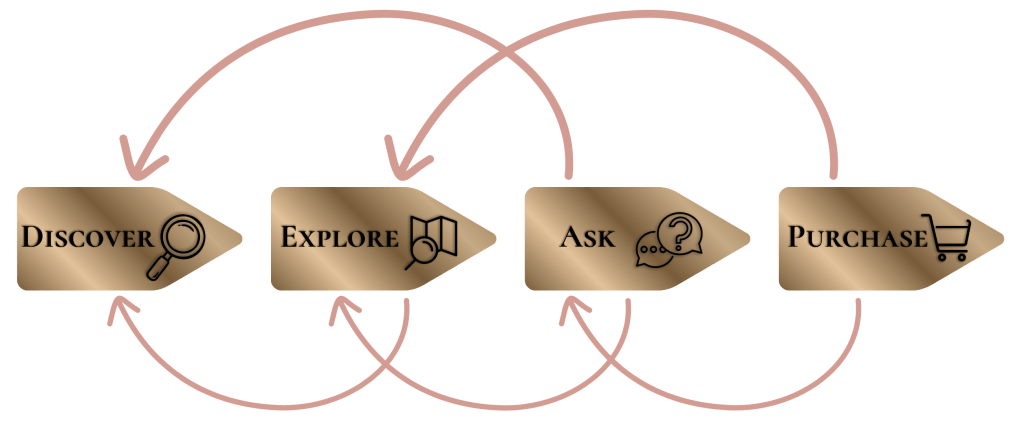
Image 3: Infographic depicting the customer journey.
Supporting Loyalty Beyond the First Purchase
Mobile loyalty programs can make rewards accessible through digital accounts, apps, or messages. A proposed program for Chaos Design Co. could offer returning customers points toward a future purchase.
However, rewards alone rarely create long-term loyalty. The most effective programs support a broader customer relationship. Zahay (2023) explains that loyalty programs can encourage repeat purchases but also create costs, and their influence may fade when rewards disappear3. Strategic customer relationship management places greater emphasis on lasting relationships and brand building. For a small business, helpful service, consistent quality, and meaningful communication should accompany any incentive.
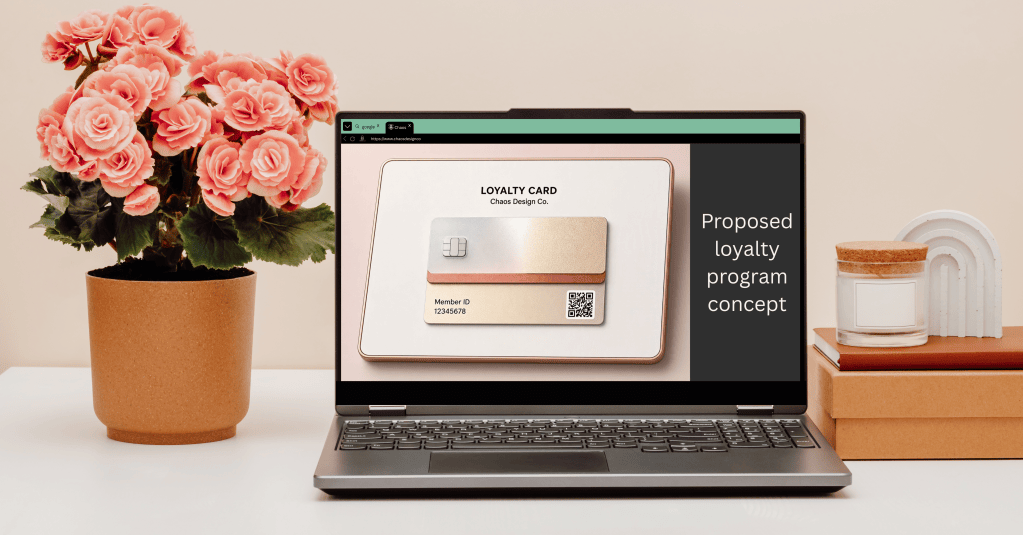
Image 4: Mockup of a Chaos Design Co. digital loyalty card.
Addressing Mobile Marketing’s Constraints
Small screens, slow pages, and intrusive advertisements can interrupt the customer experience. Salesforce (2025) recommends adapting content for smaller screens, improving loading times, and simplifying navigation1. Clear buttons and a straightforward checkout process can reduce unnecessary effort.
Message relevance also matters. While gathering cheesecake recipes on my phone, I encountered advertisements that repeatedly interrupted the content and caused accidental taps. Those interactions reflected frustration rather than purchase interest. Abaev’s (2023) discussion of advertising context reinforces why businesses should consider what users are doing when a message appears2.
Businesses can respond by choosing suitable placements, limiting interruptions, and giving subscribers control over the messages they receive. Mobile marketing’s greatest advantage is the connection it can create between discovery, conversation, and purchase. Preserving that advantage requires respecting the customer’s attention throughout the experience.
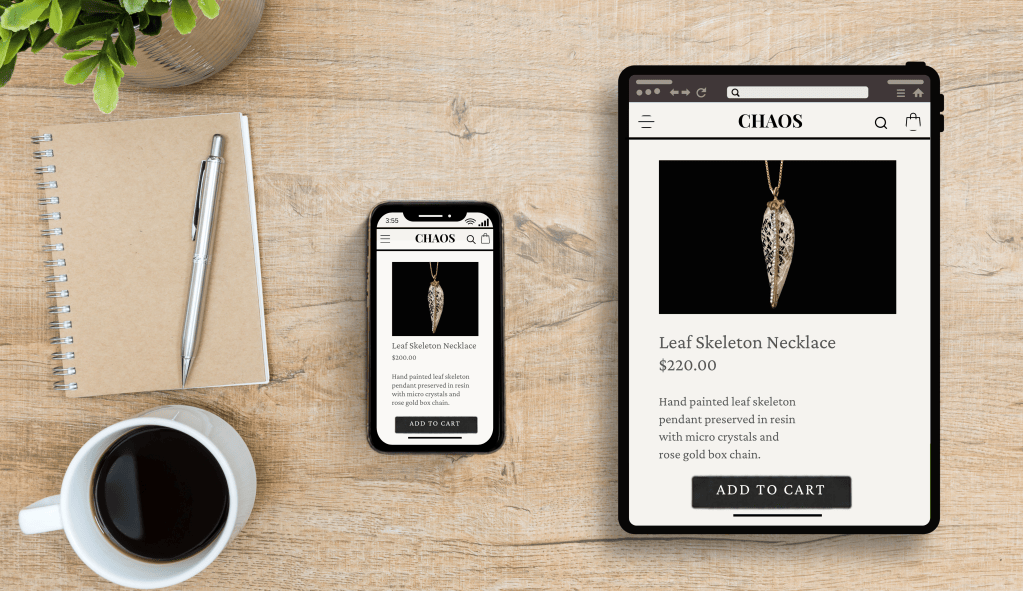
Image 5: Mock smartphone and tablet to illustrate why readable text, clear buttons, and layouts that adapt to different screens matter.
References
1Salesforce. (2025). Mobile marketing: Definition, how it works, and examples. https://www.salesforce.com/eu/marketing/mobile/guide/
2Abaev, B. (2023, November 7). All eyes on the screen: Why mobile marketing is vital for brands. Forbes. https://www.forbes.com/councils/forbestechcouncil/2023/11/07/all-eyes-on-the-screen-why-mobile-marketing-is-vital-for-brands/
3Zahay, D. (2023). Digital marketing foundations and strategy (5th ed.). Cengage Learning.


Leave a Reply